


Sheet metal leveler or precision leveler: understanding the mechanical logic behind the industrial choice
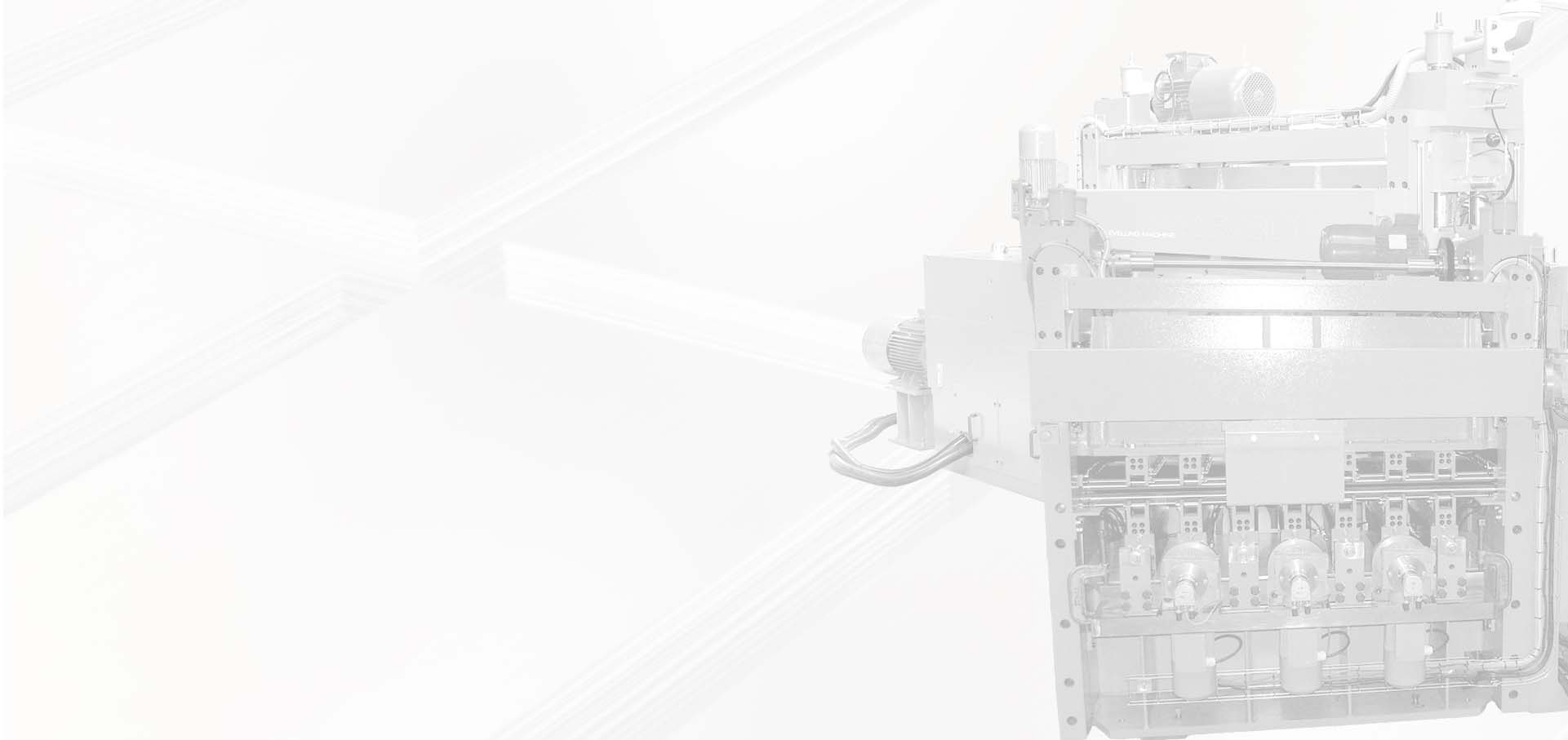
The distinction between an industrial sheet metal leveler and an industrial precision leveler is not simply a matter of machine terminology. It is based on analyzing the type of product to be corrected, the actual nature of the flatness defects observed in production, and a precise mechanical assessment of the part itself.
In demanding metal fabrication environments – including high-energy laser cutting, CNC punching, perforating, oxy-fuel cutting, plasma cutting, heavy machining, and welded fabrication – sheet metal flatness becomes a critical process parameter.
An inappropriate correction strategy for flatness defects can generate dimensional instability, bending deviations, welding stresses, or machining inaccuracies over long lengths.
After processing, residual stresses originating from rolling operations redistribute throughout the material. This redistribution causes longitudinal warping, transverse camber, global support defects, and deeper structural deformation.
The correction of flatness defects therefore depends directly on the nature of the product being processed and the type of deformation observed, particularly whether the material is supplied as coil-fed sheet metal, plate material, perforated sheet, or a pre-cut component.
It also depends on:
- the actual material thickness,
- the residual rigidity after cutting or material removal,
- the level of mechanical inertia,
- the depth of internal stresses through the material thickness,
- the force capacity required to exceed the yield point in a controlled manner.
The EasyFlat industrial sheet metal leveler is designed for precise and progressive sheet metal straightening applications where flatness correction concerns plates, sheets, or cut components requiring controlled correction, including parts with moderate structural rigidity. Its high-density multi-roll architecture and precise penetration adjustment system provide controlled alternating bending designed to homogenize residual stresses and stabilize the geometry of parts that have already been cut to size.
The objective is to achieve repeatable industrial flatness, compatible with CNC bending, automated assembly, and high-volume production environments.
The EasyFlat industrial precision leveler addresses a different challenge: deep sheet metal leveling. It is designed for products exhibiting high mechanical instability, particularly coil-fed sheet metal, heavily perforated sheets, and sections with high inertia and elevated rigidity that require greater force capacity and a reinforced machine architecture.
In this context, sheet metal leveling goes far beyond surface correction. Its purpose is to achieve structural redistribution of residual stresses throughout the usable material thickness in order to restore long-term dimensional stability before heavy machining, welded fabrication, or structural assembly operations.

Difference between a precision leveler and sheet metal leveler: mechanical consistency and force capacity
The difference between sheet metal straightening and industrial sheet metal leveling cannot be reduced to material thickness alone. It is primarily determined by the nature of the product being corrected and the actual type of flatness defects observed, particularly whether the material is supplied as coil-fed sheet metal, plate material, or a component that has already been cut.
The decision must also be based on mechanical consistency between:
- the actual rigidity of the part,
- the severity of the flatness defects,
- the depth of action required to correct residual stresses,
- the machine’s ability to transmit corrective force without introducing secondary deformation.